Few household problems create the same mix of disgust, stress, and urgency as a pest issue. One day the kitchen looks normal, the next there is a line of ants behind the toaster, a scratching sound in the wall, or a cockroach disappearing under the sink when the light comes on. For first-time homeowners and renters, the next step is not always obvious. Some people buy a spray and hope for the best. Others wait too long, usually because they assume the problem is minor or temporary.
Professional Pest Control Services exist for a reason. Pests are rarely just a surface nuisance. They contaminate food, damage materials, trigger allergies, and in some cases spread disease. Even when the health risk is low, the practical and emotional cost can be high. A small infestation can grow quickly, especially with pests that breed fast, hide well, and adapt to common over-the-counter treatments.
If you have never hired a pest control company before, it helps to understand what professionals actually do, what a service visit looks like, and how to judge whether a company is worth trusting. The field is more nuanced than many people assume. Good pest management is not simply a matter of spraying chemicals. It involves inspection, identification, timing, habitat reduction, exclusion work, and follow-up.
What professional pest control really means
The phrase “pest control” often brings to mind a technician arriving with a tank of pesticide and treating every room. That image is outdated in many cases. Reputable companies now work from a more targeted model, often called integrated pest management. The idea is straightforward. Rather than relying only on chemical treatments, the technician studies why pests are there in the first place and addresses the conditions allowing them to survive.
That usually means the service includes several layers of work. First comes inspection. A trained technician looks for entry points, nesting sites, moisture sources, food access, travel routes, droppings, shed skins, damage patterns, and activity levels. Identification matters more than beginners realize. Ants are a good example. Different species behave differently, respond to different baits, and require different strategies. Treating carpenter ants the same way you would treat pavement ants can waste time and money.
After identification, the company recommends a control plan. That plan might involve bait stations, crack-and-crevice treatments, exclusion repairs, trap placement, sanitation guidance, monitoring, or exterior perimeter work. In some situations, a one-time treatment is enough. In others, especially with bed bugs, German cockroaches, termites, or rodents, success usually depends on multiple visits and cooperation from the property owner.
The best professionals are methodical. They do not promise miracles in an hour, because pests do not work that way. If someone claims they can permanently eliminate every pest problem with a single universal treatment, that should raise questions.
Why DIY works sometimes, and fails often
Store shelves are full of traps, foggers, repellents, dusts, granules, and sprays, so it is reasonable to ask why a homeowner should pay for professional Pest Control Services at all. The honest answer is that some minor pest issues can be handled without hiring anyone. A few scout ants in early spring, a wasp nest the size of a golf ball under the eaves, or a stray spider problem in a garage may respond to a basic treatment and better housekeeping.
The trouble begins when people mistake visible pests for the full problem. What you see is often a small fraction of the population. Roaches live deep in voids and behind appliances. Rodents move through attics, crawl spaces, and wall cavities. Termites can feed for months or years before damage becomes obvious. Bed bugs are famously elusive, and many failed DIY attempts only scatter them into new hiding places.
There is also the matter of product selection and placement. A common mistake with ants is spraying the visible trail with a repellent product. That kills the workers you can see, but it can also prevent them from carrying bait back to the colony. The result is a temporary improvement followed by another outbreak days later. With rodents, another common error is setting traps in the wrong locations, or using too few of them. People tend to place one or two traps in open spaces. Professionals place them where rodents naturally travel, usually along walls, in concealed runways, and near active rub marks or droppings.
Chemical misuse is another concern. More product does not automatically mean better results. In fact, overapplication can reduce effectiveness, increase exposure risks, and create strong odors without solving the infestation. A trained technician knows where a treatment belongs, where it does not, and how to combine low-impact methods with targeted products.
The pests most beginners deal with first
For many households, the first call happens because of ants, roaches, spiders, mice, rats, wasps, fleas, or termites. Each comes with its own pattern.
Ants are often seasonal, but some species remain active year-round indoors. Kitchens, bathrooms, and window frames are common activity areas. The key question is whether they are simply foraging inside or nesting in the structure itself.
Cockroaches are a different category altogether. Seeing one roach in a detached garage is not the same as seeing several in a kitchen at night. German cockroaches, in particular, reproduce quickly and thrive around food and moisture. They are one of the clearest examples of a pest that usually benefits from professional intervention early.
Rodents create a practical and sanitary problem. They chew wires, insulation, cardboard, stored fabric, and sometimes plumbing materials. Mice can enter through openings smaller than many people expect. A gap roughly the width of a pencil can be enough.
Termites are less dramatic day to day, but they are among the most costly. They often go unnoticed until a routine inspection, renovation, or sale of the property reveals damage. Their presence does not mean a home is dirty or neglected. Termites are opportunistic and persistent.
Bed bugs deserve special mention because they cause anxiety out of proportion to their size. They hitchhike in luggage, used furniture, delivery items, and personal belongings. They are not a sign of poor hygiene. A spotless apartment can still get them.
Signs it is time to call a professional
Some infestations are obvious, but many start with small clues. Beginners often save money by calling earlier rather than later, before pests become established in multiple rooms or units.
- Droppings, grease marks, shed skins, or gnaw damage appear more than once You notice pest activity both day and night, especially with roaches or rodents Store-bought products reduce activity for a week or two, then the problem returns You hear movement in walls, ceilings, or attic spaces The pest involved is difficult to treat correctly, such as termites, bed bugs, or German cockroaches
A brief real-world example makes the point. In one apartment building, a tenant reported “a few roaches” near the dishwasher every couple of weeks. She had been spraying under the sink and wiping everything down carefully. When the unit was inspected, activity was found behind the refrigerator compressor area, in wall voids near plumbing penetrations, and in the motor housing beneath the dishwasher. It was not a housekeeping problem. It was a hidden infestation with several harborages. Early professional treatment kept it from spreading to neighboring units.
What happens during a service visit
A first visit should feel more like an assessment than a sales pitch. The technician will ask where activity has been seen, when it occurs, how long it has been going on, what products have already been used, and whether children, pets, or sensitive individuals are in the home. These details matter. So does access. If the issue is in a kitchen but the stove cannot be moved or the basement is packed floor to ceiling, treatment options become more limited.
Expect the inspection to include both obvious areas and less obvious ones. That can mean under sinks, behind appliances, around utility lines, in attics, basements, crawl spaces, garages, window frames, exterior foundations, and yard edges. A competent technician is looking for patterns, not just pests.
Once the inspection is complete, the company should explain the findings in plain language. This is where you can learn a lot. If they can identify the pest, explain why it is present, describe the treatment approach, and set expectations for follow-up, that is a good sign. If they are vague, overly dramatic, or push a contract before explaining the problem, proceed cautiously.
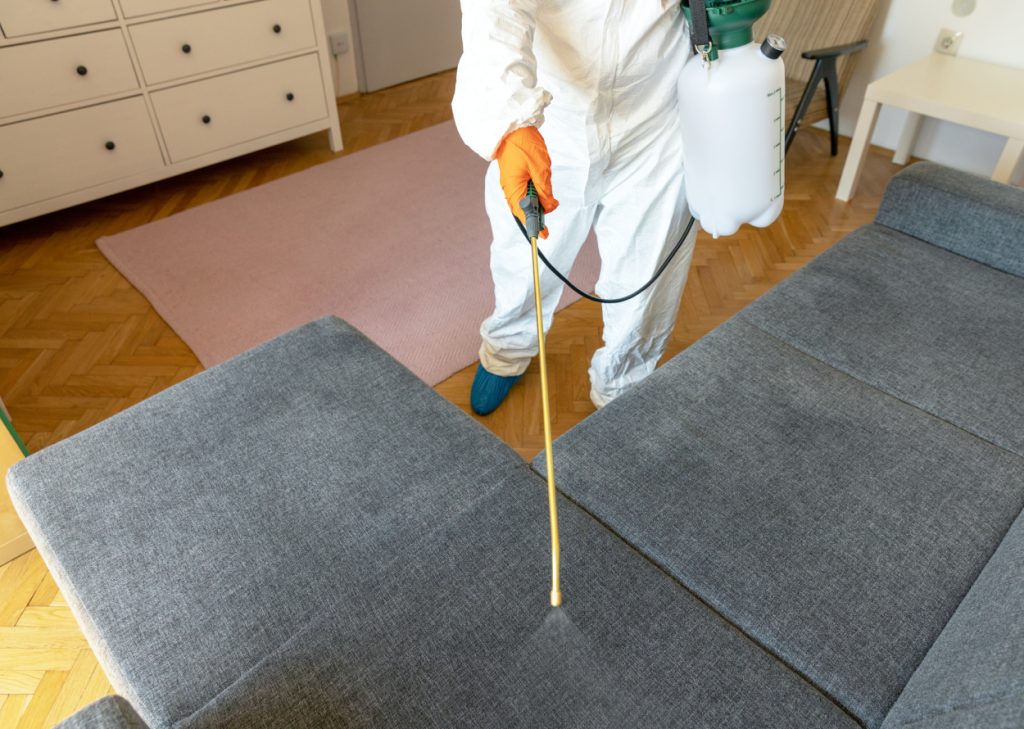
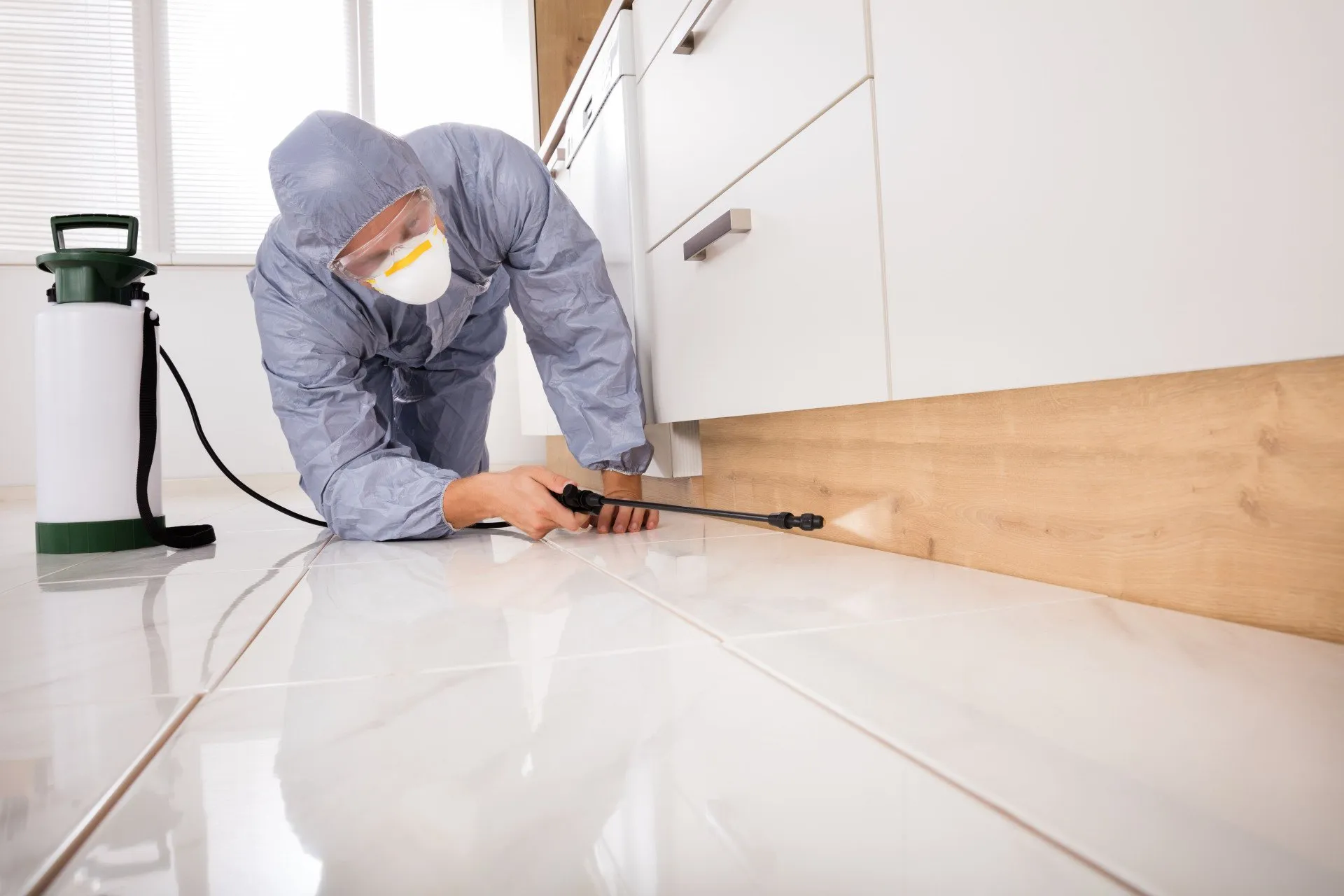
Treatment may happen the same day. Depending on the issue, it could include insect baits, gel placements, dust in voids, traps, rodent stations, exclusion recommendations, or localized applications in cracks and crevices. Broad indoor spraying is less common than many people think, especially when a targeted method is more effective.
Follow-up is often part of the real solution. For example, ant bait may take several days to affect a colony. Rodent control often improves dramatically only after entry points are sealed. Flea treatment without addressing the pet and the pet’s resting areas tends to fall short. Pest control is often a process, not a moment.
How to choose a company without guessing
For a beginner, hiring the first company that answers the phone is tempting. Sometimes that works out fine. Sometimes it https://elliottixyo356.inkharbory.com/posts/why-small-pest-problems-still-need-expert-pest-control-services does not. The difference usually shows up in the details.
Start with licensing and insurance. Requirements vary by location, but a legitimate company should be able to provide this information readily. Ask whether the technician assigned to your job is trained for the specific pest involved. General service experience is useful, but bed bug work, termite work, and wildlife removal often require more specialized skill.
Ask how the company plans to treat the problem. A strong answer includes inspection findings, product types or treatment categories, expected timeline, and what you need to do before or after service. A weak answer sounds like a one-size-fits-all script.
Pricing should also make sense in context. Very low quotes can signal minimal inspection time, inadequate follow-up, or a plan built to upsell later. Very high quotes are not automatically better. Compare what is included. A one-time wasp nest removal is not the same kind of service as a multi-visit cockroach program with monitoring and warranty support.
Reviews can help, but they need interpretation. Look for comments about communication, punctuality, problem resolution, and follow-up. A company that resolves difficult infestations over time may still have a few impatient complaints. That is different from a pattern of missed appointments or unclear billing.
Questions worth asking before you agree to service
A short conversation before booking can prevent a lot of frustration. You do not need expert-level knowledge, just a few practical questions.
- What pest do you believe this is, and how certain are you before inspection? What treatment method do you usually use for this kind of issue? How many visits are commonly needed? What preparation is required from me? Is there any warranty, retreatment policy, or monitoring included?
These questions reveal whether the company is transparent and whether their recommendations are grounded in experience. They also give you a better basis for comparison than price alone.
Safety, pets, and household routines
One of the first concerns people raise is safety. That concern is reasonable, especially in homes with small children, pets, elderly residents, or anyone with respiratory sensitivity. The answer depends on the pest, the product, the application method, and the environment.
In many modern treatments, the amount of active product used indoors is smaller and more precise than people expect. Gel baits inside hinge areas, dust in wall voids, or tamper-resistant rodent stations outside are all examples of targeted methods designed to reduce broad exposure. That said, “safe” is not a blanket term. You should always ask what will be used, where it will be placed, whether reentry time is needed, and what precautions apply.
Pets add practical complications. A dog that investigates every corner of the kitchen floor, or a cat that squeezes behind appliances, changes how treatments are placed. Fish tanks, reptile enclosures, bird cages, and free-roaming small pets require special mention before service begins.
There is also a common misconception that if a product is professionally applied, preparation is unnecessary. In reality, preparation can be a major factor in success. Bed bug service may require laundering, decluttering, and furniture access. Roach work often improves when countertops are cleared and grease buildup is removed. Rodent work may require moving stored boxes away from walls so access points can be sealed.
What you may need to do before and after treatment
Professional service works best when the household cooperates with the plan. That does not mean deep-cleaning out of embarrassment. Technicians have seen every type of home, from spotless condos to packed utility rooms. The goal is not appearance. The goal is access and effectiveness.
Before treatment, you may be asked to clear under-sink cabinets, move small appliances, secure pets, vacuum specific areas, or avoid using store-bought sprays that interfere with baiting. After treatment, the guidance might include limiting cleaning in treated cracks and crevices, checking traps, storing food in sealed containers, fixing leaks, or reporting fresh activity during the next week or two.
This is where many beginners accidentally slow down the process. For example, after an ant bait treatment, seeing more ants briefly can actually be normal, because the bait is attracting workers. Wiping them up immediately and scrubbing the bait placements often interrupts the treatment cycle. Likewise, after a rodent service, failing to close a gap under the garage side door can undo otherwise effective trapping.
Understanding costs without oversimplifying them
Pest control pricing varies widely, and that can confuse first-time customers. The cost usually reflects more than the treatment itself. It includes inspection time, travel, labor, product choice, risk level, equipment, follow-up, and in some cases local regulation or certification requirements.
A straightforward, localized ant treatment may be relatively modest. A large roach infestation in a restaurant kitchen or a bed bug program across several rooms will cost much more. Termite service can be a substantial investment because it often involves specialized materials, drilling or trenching, monitoring systems, and long-term risk management.
The cheapest option is not always the least expensive in the end. I have seen situations where a homeowner paid for three or four low-cost visits from different companies, each using a generic surface spray, before finally hiring a technician who spent time identifying the actual nesting sites and sealing the main entry points. The earlier visits felt economical. The total outcome was not.
If a quote seems high, ask what is included and why. Sometimes the answer is reassuringly specific. Sometimes it reveals padding or unnecessary treatment. Precision is what you want.
Prevention is where the best value lives
The most effective pest control visit is the one that stops a recurring problem before it starts again. Long-term prevention depends on making your property less hospitable and less accessible.
Moisture control matters more than many people realize. Leaky faucets, poor drainage, damp crawl spaces, and condensation around pipes all support pest activity. So does clutter, especially cardboard storage, overgrown vegetation against the exterior, and accessible food sources such as pet bowls left out overnight.
Exclusion is one of the most underrated parts of professional Pest Control Services. Sealing gaps around pipes, repairing door sweeps, screening vents, closing foundation cracks, and addressing torn crawl-space access points can produce bigger results than repeated pesticide applications. With rodents in particular, trapping without exclusion is often just population management.
Seasonality also plays a role. Ants may surge in spring, stinging insects in summer, rodents in fall, and overwintering pests when temperatures drop. A good company will explain what to watch for on your property and may recommend periodic exterior service if your environment consistently invites pressure from surrounding lots, nearby woods, standing water, or shared walls.
When recurring service makes sense
Not every home needs an ongoing plan. A one-time treatment is often enough for isolated issues. But recurring service can be worthwhile in certain settings, such as homes near wooded areas, properties with persistent moisture problems, restaurants, multifamily buildings, and locations with a history of seasonal infestations.
The key is whether ongoing visits solve a recurring pressure, not whether a contract simply keeps revenue coming in. There is nothing wrong with a maintenance plan if it includes inspections, monitoring, exterior treatments as needed, and practical prevention advice. There is a problem if recurring service is sold as a substitute for identifying the actual cause.
A practical mindset for first-time customers
The best results come from treating pest control as a partnership between the technician and the property occupant. You provide access, observations, and follow-through. The professional provides diagnosis, treatment skill, and a realistic timeline. That balance matters because pests are biologically and structurally opportunistic. They exploit gaps in buildings, routines, storage habits, and maintenance.
For beginners, the most helpful shift is this: stop thinking only in terms of killing pests, and start thinking in terms of managing conditions. The dead insect on the floor is not the main issue. The hidden food source, the wet void behind the cabinet, the open weep hole, the torn vent screen, or the gap under the threshold is where the real story begins.
Once you understand that, Professional Pest Control Services make much more sense. They are not just a rescue option for bad infestations. At their best, they are a disciplined, informed way to protect your home, your health, and your peace of mind.
Affordable Pest Solutions LLC
Phone number: +19732299547
FAQ About Pest Control Services
How much does pest control charge?
For a standard 1,500-square-foot home, professional pest control charges generally average $100 to $300 for an initial visit, with ongoing monthly services running $40 to $75 per visit and one-time emergency exterminations costing $100 to $600, depending heavily on the specific pest and the severity of the infestation.
What is the hardest pest to get rid of?
Bed bugs are widely considered the hardest household pest to get rid of, closely followed by German cockroaches and subterranean termites.
What is included in a pest control service?
A standard pest control service includes a property inspection, targeted treatments, and prevention advice. It typically covers common pests like ants, spiders, and cockroaches, using sprays, baits, or traps.